


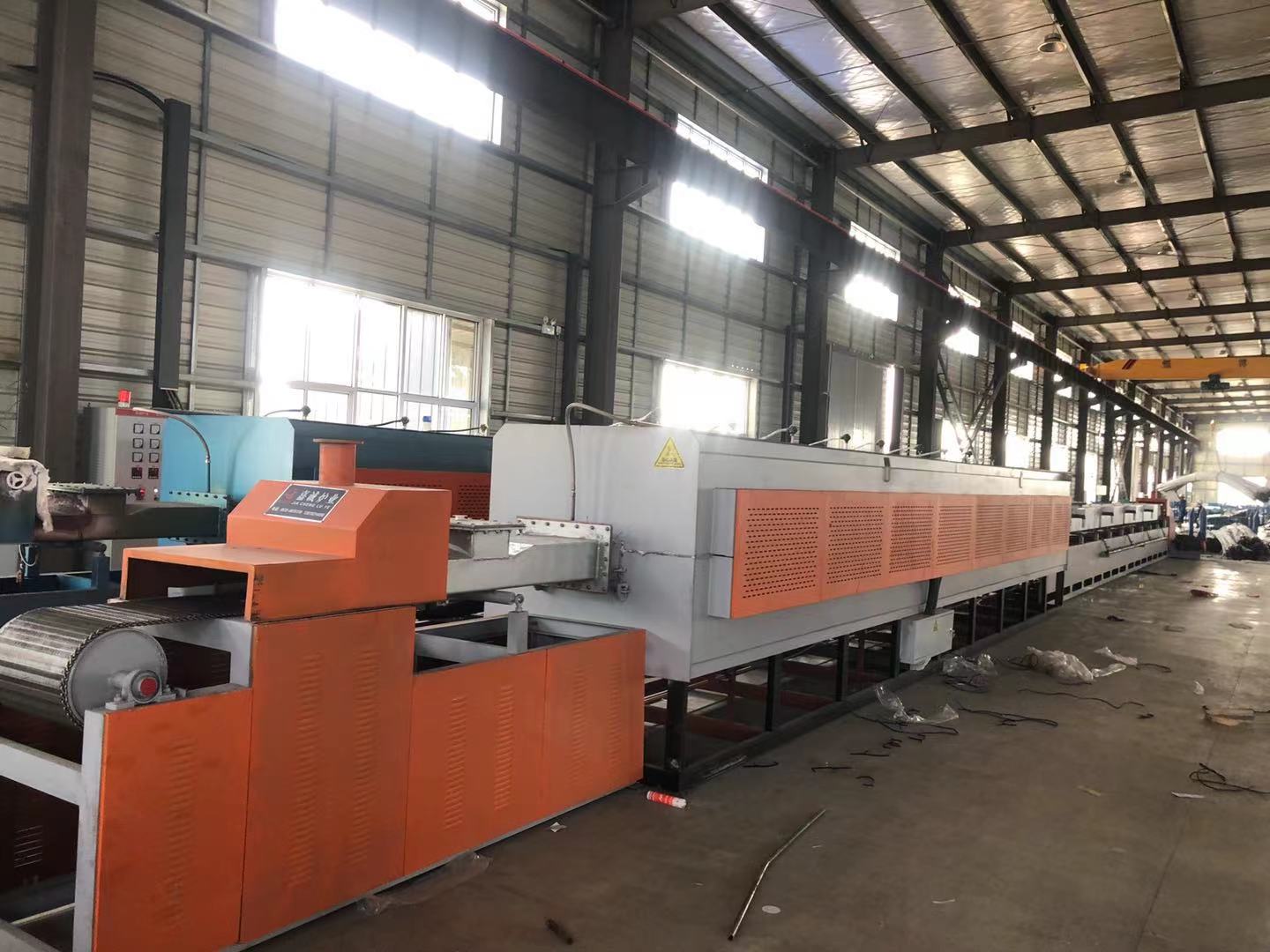
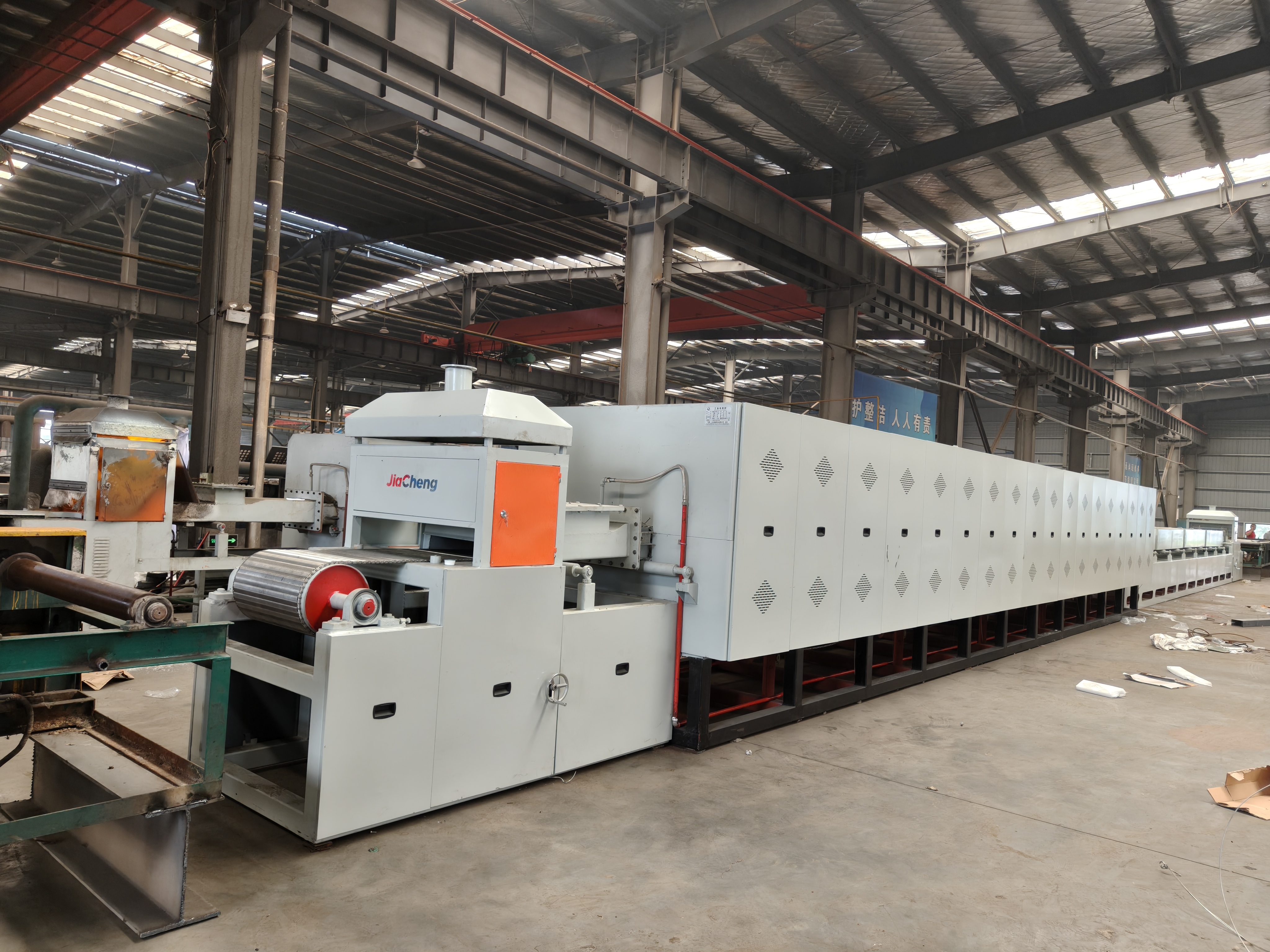
The Mesh Belt Bright Annealing Furnace is a continuous, energy-saving heat treatment equipment designed for high-volume and high-precision bright annealing production. Adopting a fully sealed furnace body and protective atmosphere environment, the furnace realizes oxidation-free, color-bright, and deformation-free annealing for metal workpieces. It is one of the most widely used continuous bright heat treatment furnaces in the metal processing industry.


A bright anneal is decided at the surface, not by the temperature curve alone. In a continuous bright annealing furnace the atmosphere does as much work as the heating elements: the workload travels through a sealed chamber fed with a gas blanket that keeps oxygen away from hot metal, and the composition, flow and entry and exit sealing are set during commissioning so the conditions at the ten-thousandth part match the first.
Which gas you run is agreed with your engineers and depends on the material and on what the plant can supply — nitrogen, a nitrogen-hydrogen mixture or another arrangement. Oxygen and moisture levels follow the workpiece, the belt loading and the tightness of the installation, so they are fixed against your samples at commissioning rather than printed on a general datasheet.
The difference shows up downstream. No acid pickling, no polishing pass, no batch of parts scrapped because a door stood open. Door seals, gas curtains and the entry and exit throat are the parts that keep it that way, which is why they are inspection items rather than fittings you ignore.
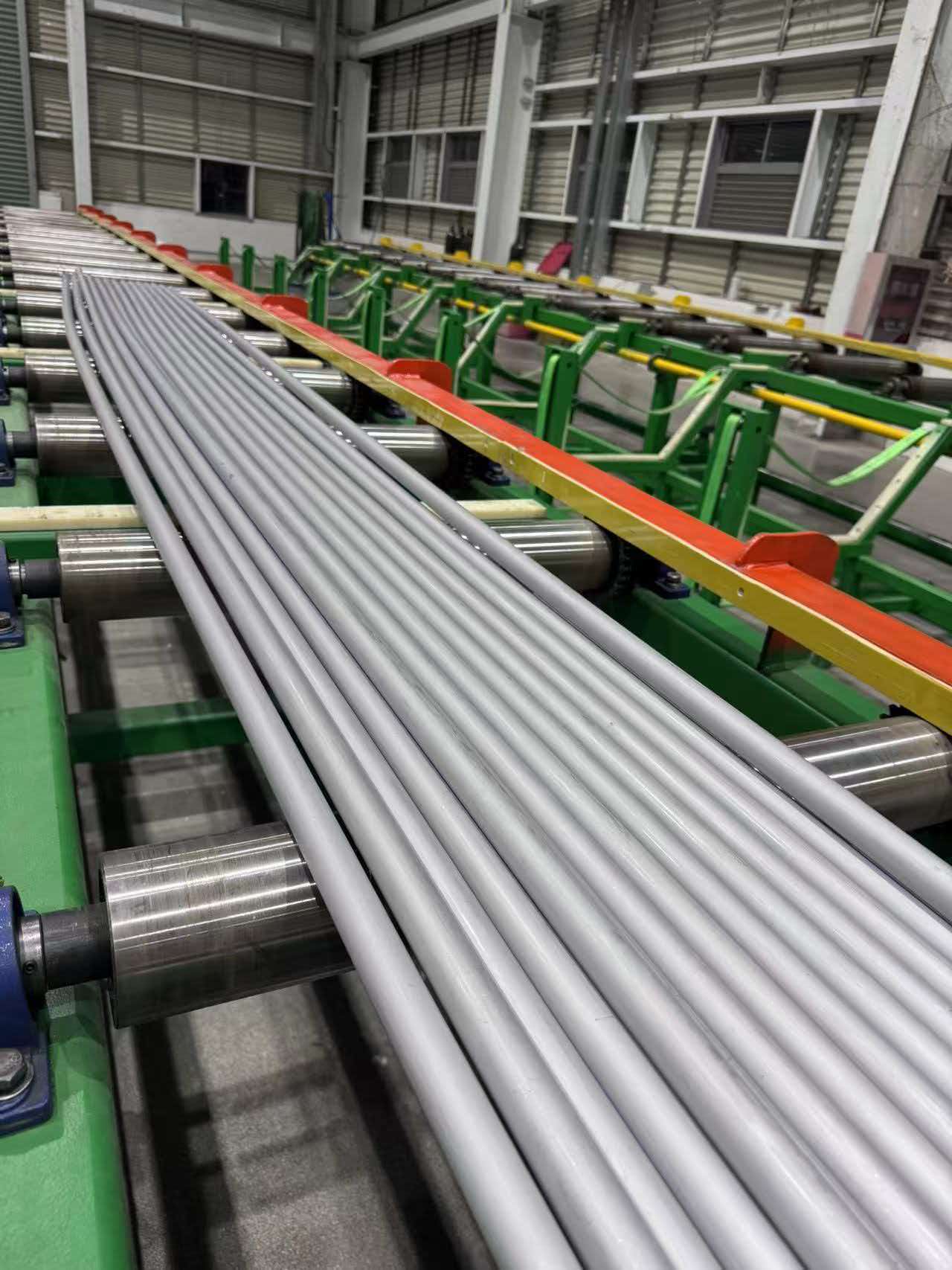
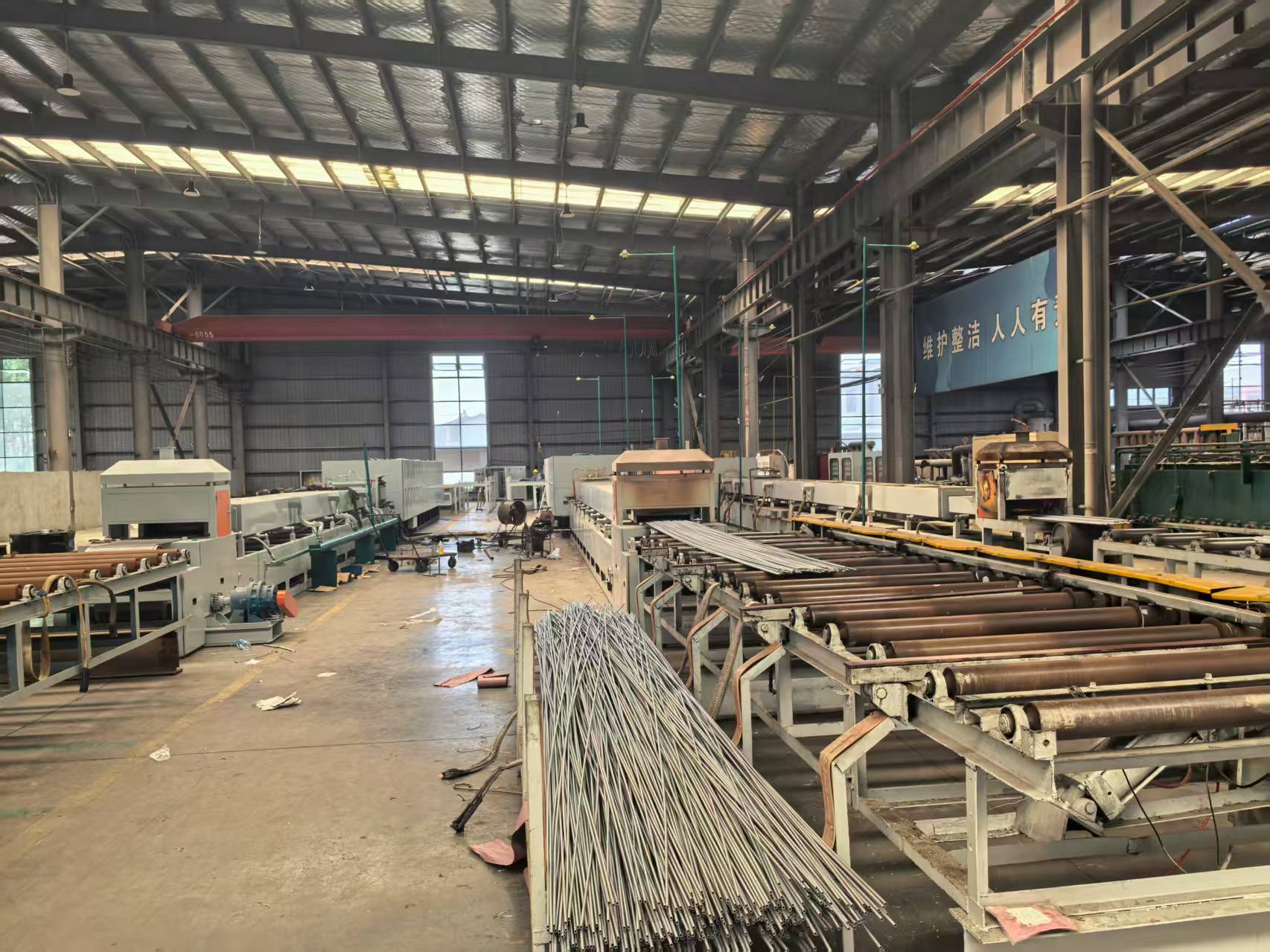
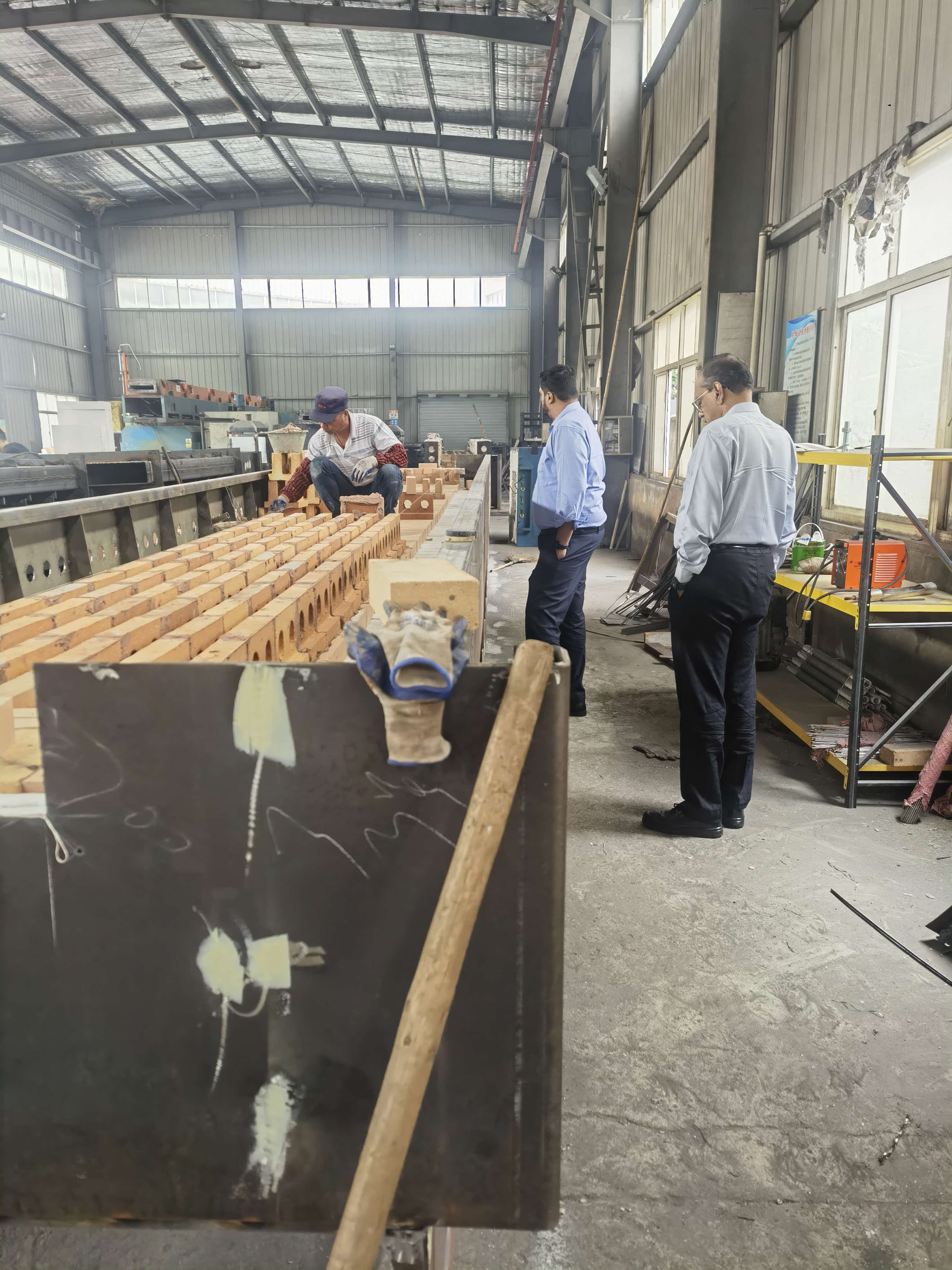
The mesh belt bright annealing furnace is a continuous heat treatment line for work that has to come out bright, soft and true to size, hour after hour. Tube, strip, sheet blanks and small machined or pressed parts travel through on a high-temperature resistant mesh belt while loading, heating, soaking and controlled cooling happen in one pass, with nobody lifting the workload between stages. A continuous bright annealing furnace earns its place where the surface is part of the product. The chamber runs under a protective atmosphere, so metal leaves the cooling section without oxide scale and without a decarburised skin; the pickling tank and the polishing mop are simply not part of the route. On strip and tube, where surface is sold by the metre, the same conditions also mean less metal lost to scale. We are a bright annealing furnace factory in Changxing, Zhejiang, and every unit is engineered to order around the parts you run.
| Workpiece | Treatment on this line |
| Carbon steel tube | Stress relief and softening after drawing or forming, with a finish that goes straight to the next operation |
| Carbon steel strip and coil | Softening anneal to restore ductility before further rolling or slitting |
| Carbon steel sheet and blanks | Stress relief and softening ahead of pressing, with surface brightness kept |
| Stainless steel parts | Bright anneal leaving a clean surface without a pickling line |
| Copper components | Softening and stress relief with an oxide-free finish |
| Aluminium precision parts | Softening and de-stressing of small parts that must stay dimensionally true |
| Pressed, drawn and machined parts | Bright anneal, stress relief or low-temperature temper in one continuous pass |
| Property | How it is set |
|---|---|
| Mesh belt width | Sized to the widest workpiece and the output target |
| Heated length | Set by soak time and belt speed |
| Heating zones | Arranged to suit the annealing curve |
| Maximum working temperature | Agreed against material and process |
| Installed power | Matched to furnace size and heating rate |
| Protective atmosphere | Selected for the material being annealed |
| Cooling section | Sized for discharge temperature at line speed |
| Belt load rating | Confirmed against part weight and loading pattern |
| Temperature control | High-precision controllers and thermometers per zone |
| Belt construction | High-temperature resistant mesh belt |
| Safety and control gear | Configured to your electrical and gas practice |
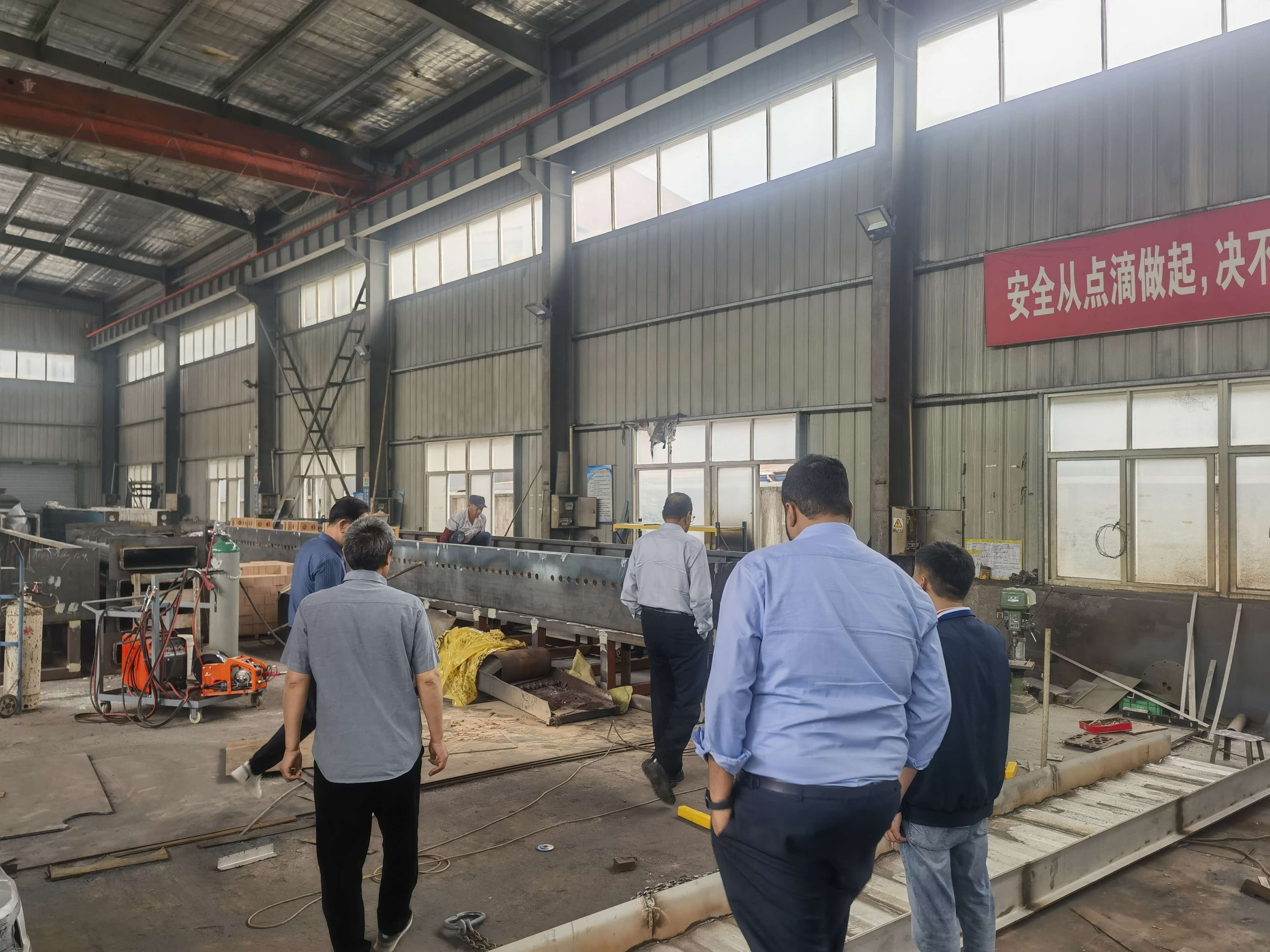
We build industrial heat treatment furnaces to order, so selection starts with your workpiece, material and output target rather than a catalogue number. Send us your drawings, process aim and site conditions; our engineers will compare the furnace types that fit, set the temperature zoning and handling arrangement around your parts, and confirm the layout with you before production begins. Custom work adjusts chamber dimensions and control configuration, while safety circuits and atmosphere safety components stay as designed. After delivery we remain reachable for start-up questions, fault finding and spare parts.
Carbon steel tube, strip and sheet are the everyday workload for this bright annealing furnace: stress relief and softening, with a surface that comes out bright rather than scaled. Stainless steel, copper and aluminium precision parts run through the same way, with the atmosphere and the temperature profile adjusted to suit the metal. Send your material and part list with the enquiry and the arrangement is confirmed against it.
Yes, provided the atmosphere is held at its set points. The workload never meets oxygen while it is hot, so it leaves the cooling section clean and metallic instead of scaled. That result rests on the gas supply, the door and curtain seals and the belt loading being what they were at commissioning; when the surface starts to dull, those are the first things to inspect, not the temperature curve.
Belt width, belt load rating and the maximum part height through the chamber are fixed when the continuous mesh belt furnace is engineered, so they follow your parts rather than a fixed list. Send the widest, heaviest and tallest pieces you expect to run and the line is sized around them, with the loading pattern agreed so that parts do not touch inside the heated zone.
Yes. Heated length, zone count, belt speed and cooling section are all set from the output you need per shift and the soak time your material requires. That is what separates a purpose-built line from a standard cabinet, and it is why bright annealing furnace manufacturers ask for a part drawing before quoting; the arrangement drawing is issued for your approval before fabrication starts.
It follows the material and what your plant can supply — nitrogen, a nitrogen-hydrogen mixture or another arrangement. Composition, flow and the safety setup are agreed with your engineers and proven on your samples during commissioning, which is also when the oxygen and moisture targets are fixed. As bright annealing furnace suppliers we settle those numbers with you rather than promising a generic figure in advance.
Very long or very heavy tube is awkward on a belt; that work belongs on a roller hearth furnace, where rollers carry the weight and the surface is not scratched. Very small, varied batches suit a batch furnace better, because a continuous line pays back only when it runs near full. Tell us the largest and smallest part in the family and we will say plainly whether a bright annealing furnace factory like ours should build you a belt line or something else.


