• Continuous Mesh Belt atmosphere Protected  Sintering Furnace,MY SHOP,Continuous Mesh Belt atmosphere Protected  Sintering Furnace
  • Continuous Mesh Belt atmosphere Protected  Sintering Furnace,MY SHOP,Continuous Mesh Belt atmosphere Protected  Sintering Furnace
  • Continuous Mesh Belt atmosphere Protected  Sintering Furnace,MY SHOP,Continuous Mesh Belt atmosphere Protected  Sintering Furnace
  • Continuous Mesh Belt atmosphere Protected  Sintering Furnace,MY SHOP,Continuous Mesh Belt atmosphere Protected  Sintering Furnace
  • Continuous Mesh Belt atmosphere Protected  Sintering Furnace,MY SHOP,Continuous Mesh Belt atmosphere Protected  Sintering Furnace
  • Continuous Mesh Belt atmosphere Protected  Sintering Furnace,MY SHOP,Continuous Mesh Belt atmosphere Protected  Sintering Furnace

Continuous Mesh Belt atmosphere Protected Sintering Furnace

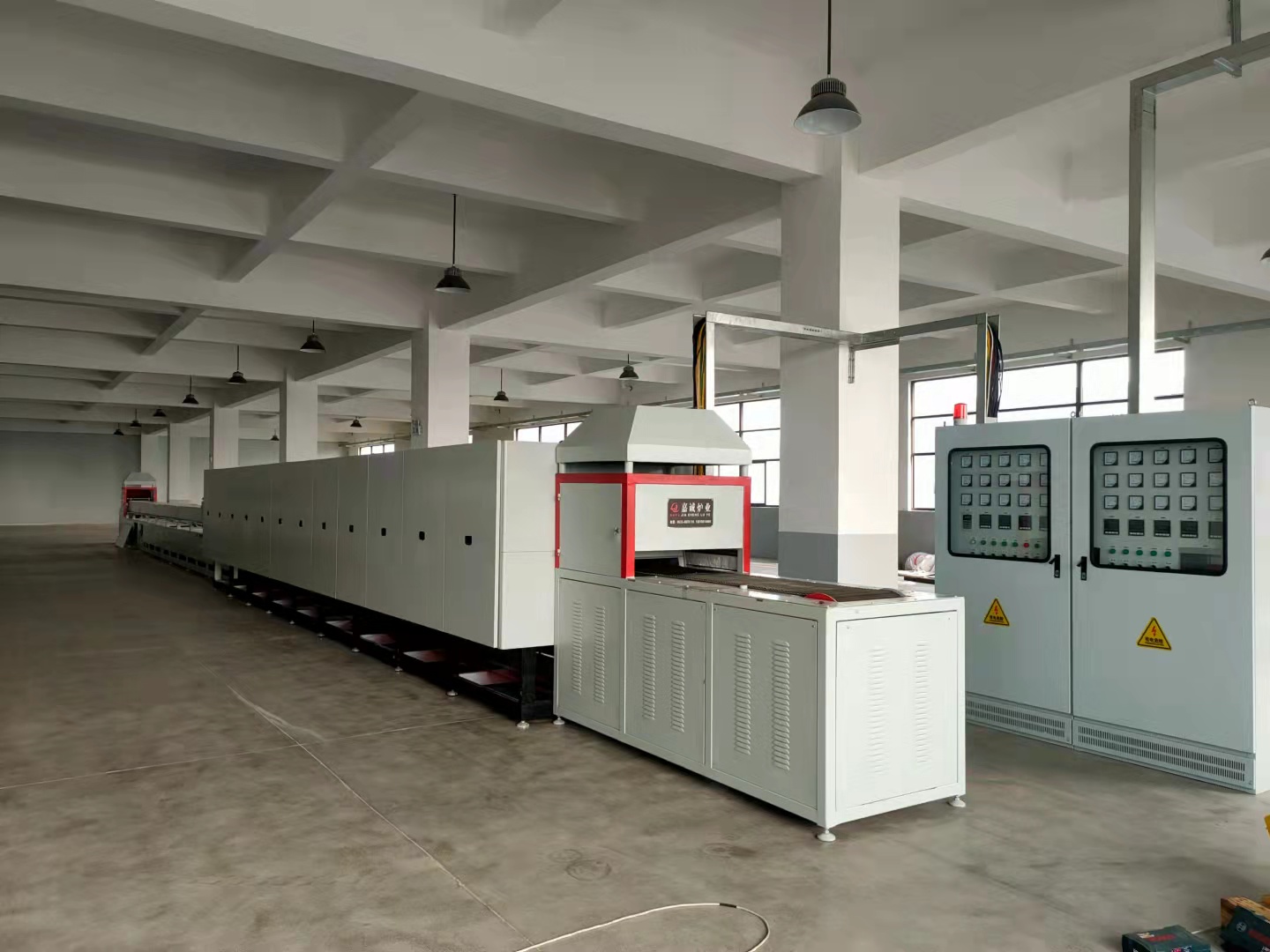
The Continuous Sintering Furnace is an atmosphere-protected continuous production line for powder metallurgy. The green compacts pass sequentially through the preheating zone, high-temperature sintering zone and cooling zone at a steady speed. Under controlled protective atmosphere, powder particles diffuse and bond together to form dense finished parts. It is specially designed for mass, stable and automated sintering production.

Download
View all downloads
  • Continuous Mesh Belt atmosphere Protected  Sintering Furnace,MY SHOP,Continuous Mesh Belt atmosphere Protected  Sintering Furnace
  • Continuous Mesh Belt atmosphere Protected  Sintering Furnace,MY SHOP,Continuous Mesh Belt atmosphere Protected  Sintering Furnace
  • Continuous Mesh Belt atmosphere Protected  Sintering Furnace,MY SHOP,Continuous Mesh Belt atmosphere Protected  Sintering Furnace

Description

Product Overview

A sintering furnace decides whether a pressed part is worth anything. It has to burn the pressing lubricant out cleanly, hold the compact at sintering temperature long enough for the powder particles to diffuse and bond, and cool it down again without warping or dulling the surface. This continuous mesh belt furnace does all three in one pass: green compacts are loaded onto a heat-resistant belt, carried at a steady speed through the preheat and debinding section, into the high-temperature sintering zone and on through the cooling section, and come off as dense parts with a clean surface. Jiacheng has built mesh belt furnaces in Changxing, Zhejiang since 2010 — first as bright annealing furnace manufacturers for steel tube and strip plants, then adding mesh belt sintering furnaces for powder metallurgy in 2014, when we reworked furnace sealing and atmosphere control to stop oxidation and deformation in both lines. That background shows in the hardware: the gas train, insulation modules and zone controllers on this line come from the same engineering pool as our annealing equipment, and they are assembled to be serviced rather than sealed shut. The line suits plants that run the same families of parts week after week — gears, bushings, structural components, MIM pieces — and want a repeatable curve rather than a flexible one-off cycle. Where the mix changes every few hours or volumes are small, a batch sintering furnace usually serves better. Where the press never stops, this is the machine that keeps pace with it. Against a batch sintering furnace the arithmetic is simple: more parts per hour, less labour per part, and every part in the run seeing the same thermal curve instead of sharing a load with whatever else was scheduled that day. Density, mechanical properties and surface condition become properties of the process rather than of the operator's judgement, and the drift that appears whenever load sizes change disappears. The atmosphere works the same way. A batch furnace purges and cools between loads, losing gas and time on every cycle; a continuous mesh belt furnace holds its atmosphere steady and only the parts move through it. Gas consumption settles into a steady draw instead of a series of peaks, which is what makes running costs predictable month to month. The third gain is downstream. A part that leaves this line clean does not need a separate cleaning or surface step, and it is not re-inspected for damage picked up in handling between two furnaces. That is where a lower cost per part really comes from — not from running the furnace harder, but from taking the steps around it out of the route. It is the same reasoning that made the continuous bright annealing furnace the standard choice in tube mills, applied here to powder metallurgy.
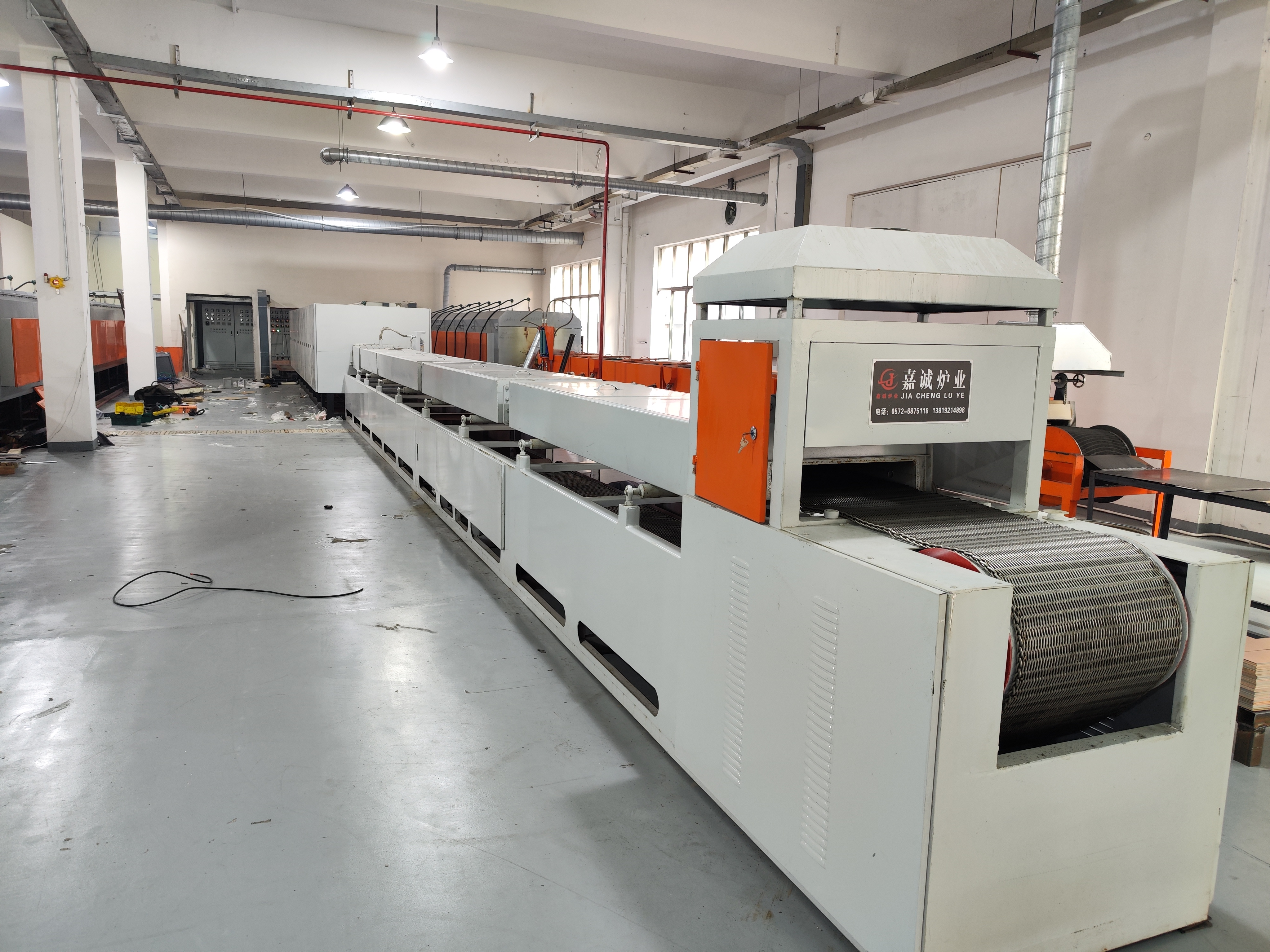
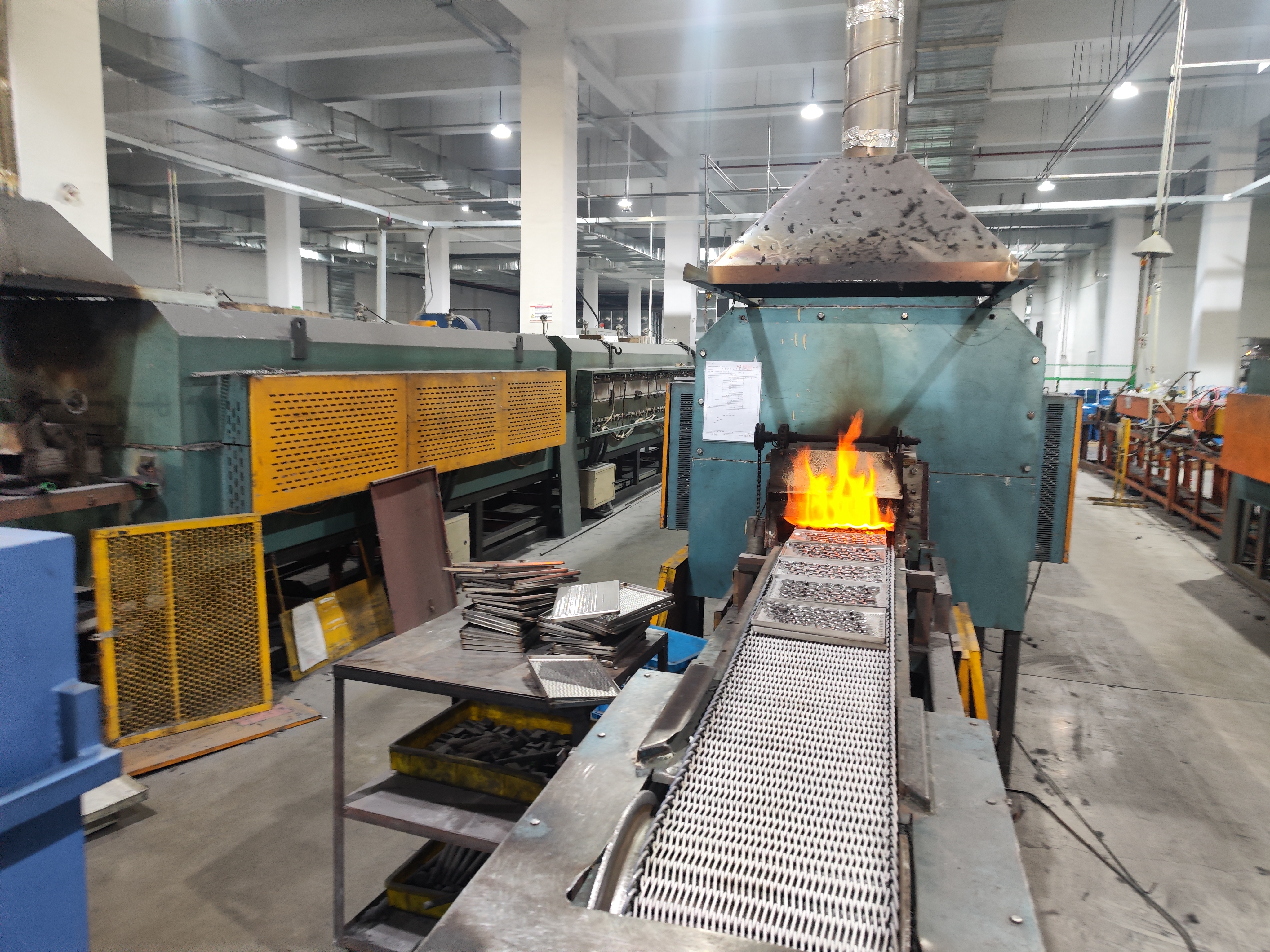
Close view of an industrial mesh-belt conveyor furnace
Industrial heat-treatment furnace line with metal parts on a conveyor

Main Application & Purpose

  • Iron-based powder metallurgy components. Gears, bushings, sprockets, hubs and structural parts pressed from iron or iron-copper blends run through the full preheat, sinter and cooling sequence and come out with the density and strength the drawing calls for. Because every part sees the same curve, a batch that passes at the start of the shift still passes at the end of it.
  • Copper-based components. Bronze and copper-graphite bushings, bearings and electrical parts sinter under the same protective atmosphere, which keeps the surface free of the oxide scale that would otherwise have to be removed afterwards.
  • Metal injection molding parts. Small, complex MIM components carry a heavy binder load, and the debinding section is where that load leaves the part before it reaches the sintering zone. That is the difference between a clean component and one with soot or carbon pickup.
  • Composite, bimetallic and magnetic materials. Parts built from more than one powder, or from layers of different metals, sinter in a single pass so the interface develops under one continuous thermal history instead of two separate furnace cycles.
  • Metal plate sintering with integrated bright annealing. Plates can be sintered and bright-annealed on the same run, work that draws directly on the atmosphere skills we apply as bright annealing furnace manufacturers and saves a second furnace cycle.
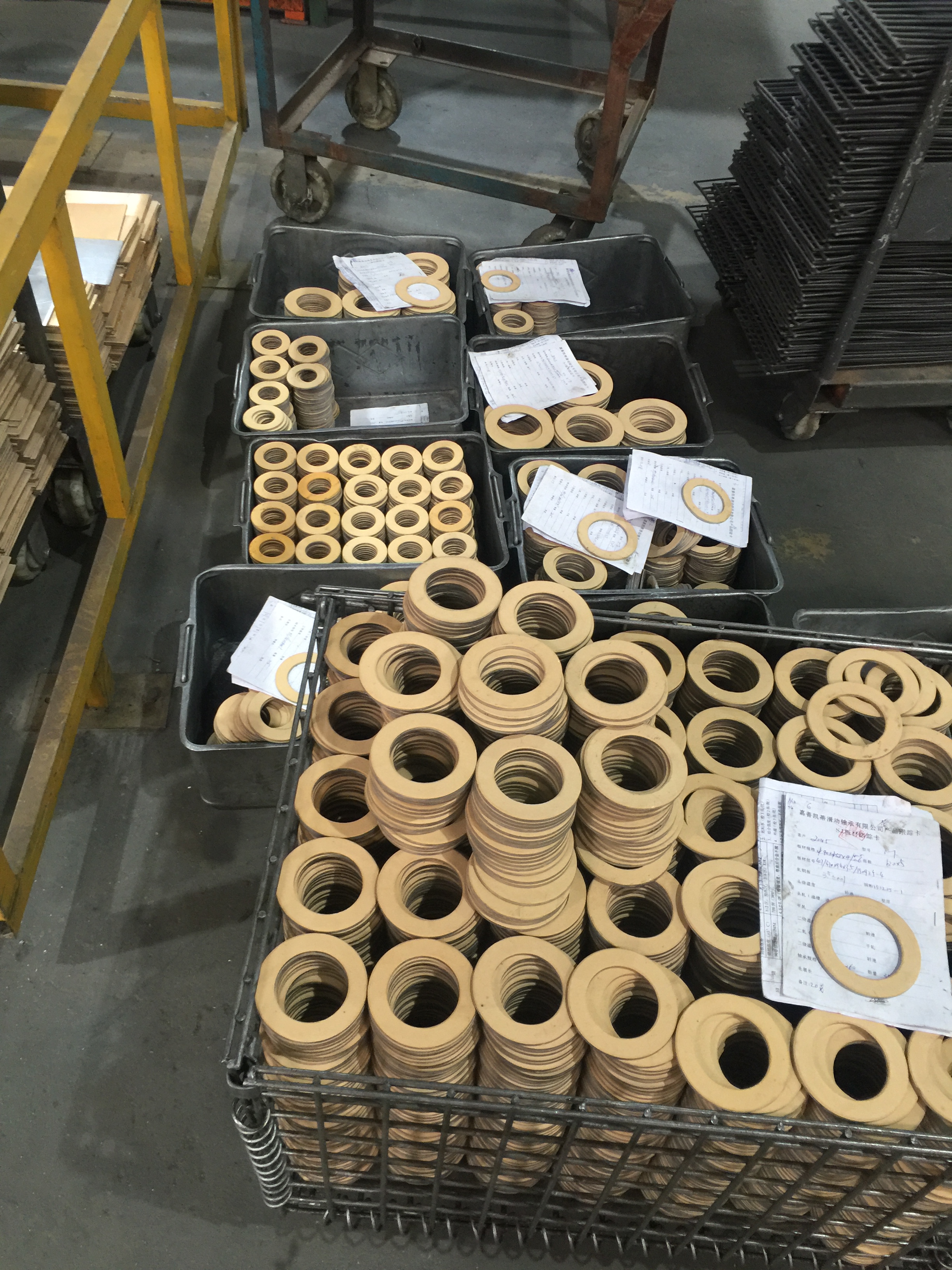
Wire bulk bins filled with stacked tan ring-shaped pieces and labels

Integrated Debinding & Sintering

  • Where the lubricant goes. The preheat section brings the compact up slowly enough that the pressing lubricant and any binder vaporise before the part reaches sintering temperature. A fast ramp is exactly what cracks a compact, blisters it, or leaves carbon behind in the hot zone.
  • Why MIM parts need the longest debinding section. A MIM feedstock carries far more binder than a press-and-sinter compact, so debinding length, temperature ramp and exhaust flow are set around the feedstock chemistry rather than around the outside dimensions of the part.
  • One loading, no second queue. Because debinding and sintering happen on the same belt, parts are never unloaded, stored and reloaded. There is no handling damage on fragile green compacts and no fresh oxide layer waiting to be reduced in the hot zone.
  • What we need before the zone layout is fixed. Tell us the lubricant or binder chemistry and its percentage by weight, the pressing route, and the green density you are aiming for. Those three answers decide how much debinding length the line needs.
  • What operators watch. Exhaust flow and the preheat zone temperatures are the readings that tell you debinding is complete. When either drifts, the symptom appears later as discoloration or low density in the finished part, which is why both are calibrated and logged during commissioning.
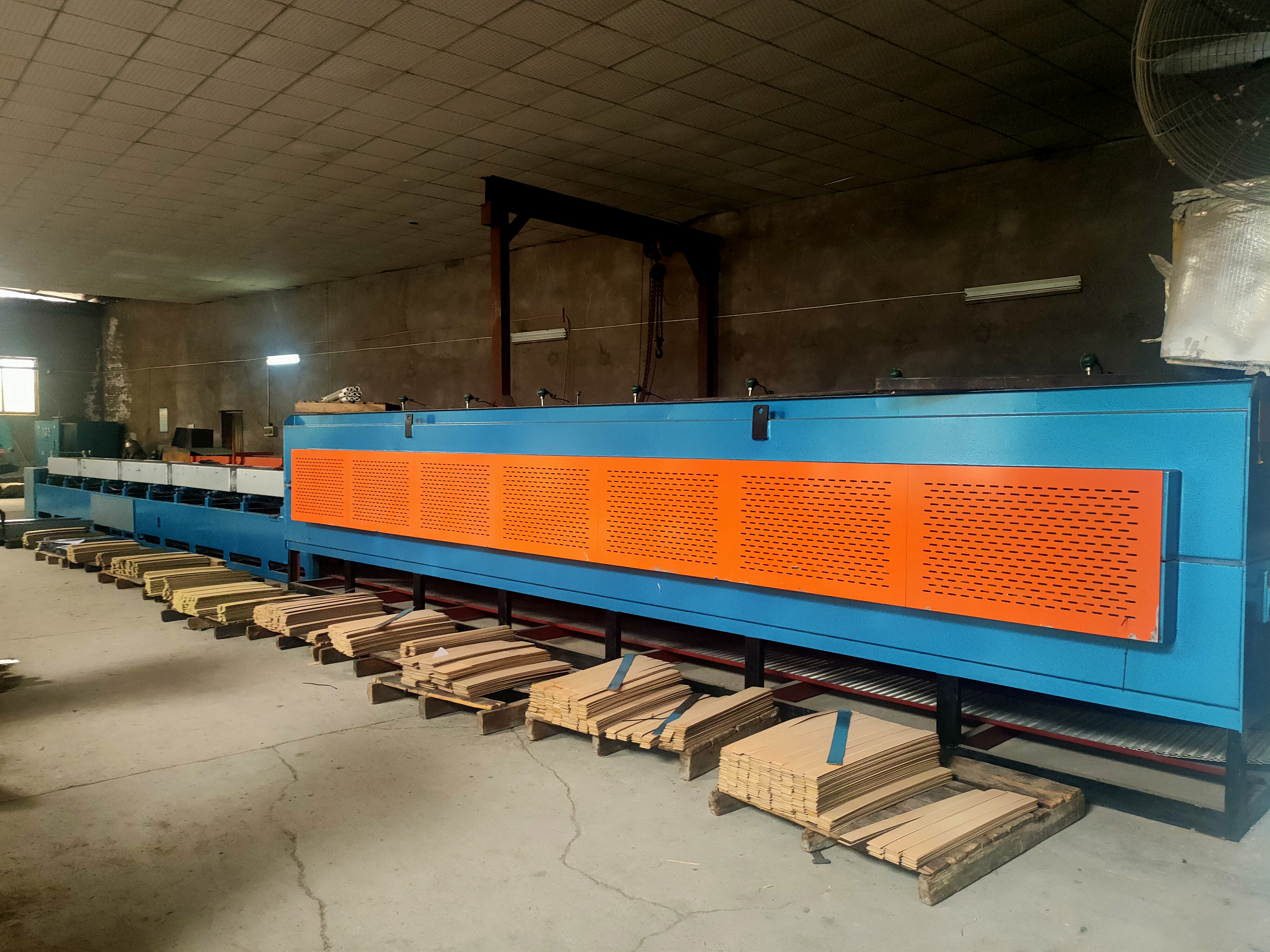
Long blue and orange processing machine with stacks of flat tan sheets
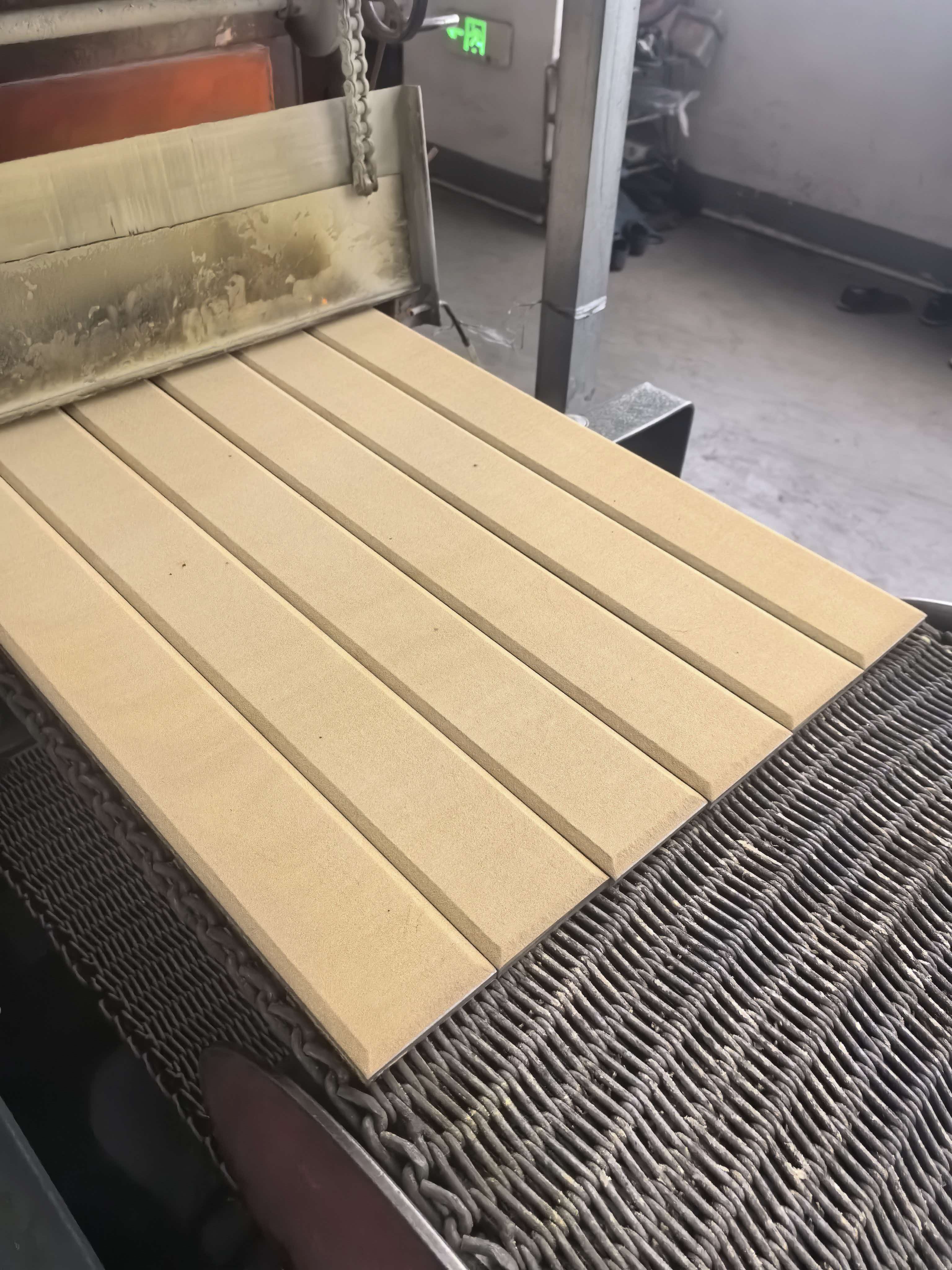
Close-up of tan rectangular strips moving on a factory conveyor

Atmosphere Control & Safety

  • Dew point is a process target, not a catalogue figure. We agree the value with your metallurgist from the powder grade, lubricant chemistry and oxide sensitivity of the part, then confirm where it will be sampled and how often it will be logged.
  • Residual oxygen is handled the same way. The target is set for the sintered surface and density you need, and the gas train, chamber sealing and purge routine are chosen to hold it during steady running and after a belt stop.
  • Nitrogen, nitrogen-hydrogen mixed gas and decomposed ammonia each bring different safety requirements. Hydrogen-bearing gas needs ventilation, leak detection and a proven purge sequence; decomposed ammonia needs its own handling and exhaust provisions. We confirm the arrangement against the services and site rules you provide.
  • Heating is interlocked with atmosphere availability. The control system will not let the hot zone run without the gas supply and exhaust in the state the approved procedure requires, and a loss of atmosphere raises an alarm instead of being left to the operator to notice.
  • The purge procedure is written into commissioning. We walk your operators through the start-up purge, the atmosphere establishment check and the shutdown sequence before the first production load, and the record from that session goes into the handover file.
  • Dew point, residual oxygen and gas flow are logged during the acceptance run. Those readings become the baseline for routine checks, so a drift is caught as a reading rather than as a discoloured part later in the shift.
  • Safety settings are not treated as adjustable production variables. Alarm and trip limits are set during commissioning and recorded; changes afterwards should go through your process owner and be noted in the furnace log.
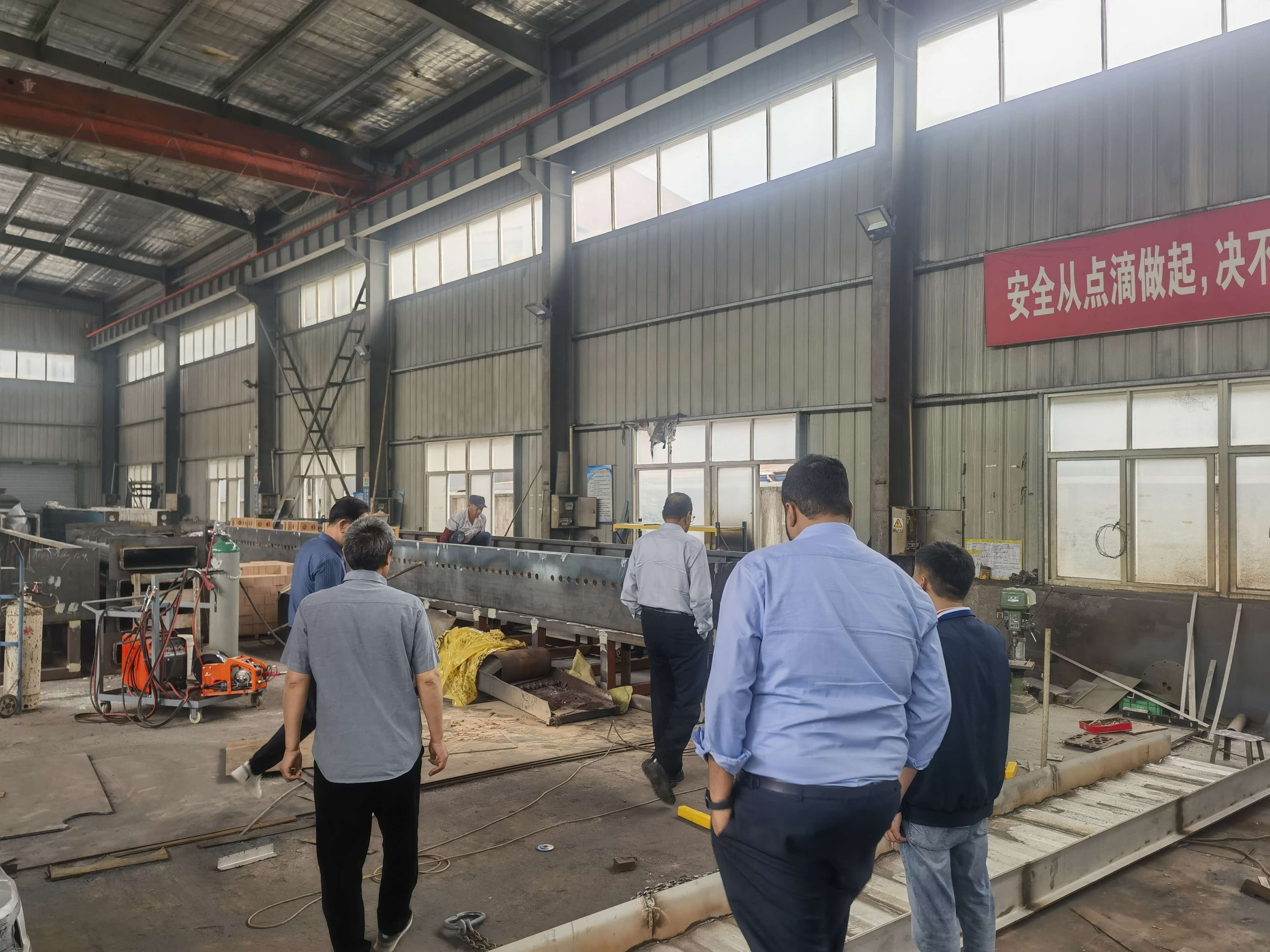
Factory workers walking past equipment beneath a red safety banner

Specifications

Multi-zone PID temperature control. Every heating zone has its own controller and its own setpoint, so the profile is built zone by zone instead of averaged across the whole tunnel. That is what holds a sintering curve steady from the first hour of the shift to the last, and it lets a process engineer adjust one zone without disturbing the others. One pass from green compact to sintered part. Loading, heating, holding and cooling all happen on the same belt, so there is no second loading, no re-queue and no window in which a compact can oxidise between steps. A stable protective atmosphere. The chamber runs under protective gas, so parts sinter without the surface oxidation and decarburization that would otherwise form, and they leave with a clean surface. The gas options and what each one is for are set out in the specification table below. Continuous conveying built for round-the-clock running. Parts travel on a high-temperature resistant mesh belt or, where the workload is heavier, on a pusher arrangement. Belt speed is adjustable, so one machine can hold a short high-temperature cycle or a longer soak without rebuilding the line. Insulation and modular maintenance. The insulation package is designed to keep heat in the chamber rather than in the workshop, and the furnace is built in modules so a section can be opened, relined or have its elements replaced without dismantling the whole tunnel. Controllers, insulation modules and gas-train parts overlap with the annealing furnaces we build; as bright annealing furnace manufacturers we keep one parts base for both lines, which keeps spares easy to source.

ConfigurationBuilt to order around part size, belt loading and required output
Standard maximum working temperature1150 °C
Higher-temperature versionAvailable for special powder materials, specified per project
Heating zonesSeven independently controlled zones on the standard layout
Temperature controlIndependent PID controller per zone, programmable heating and cooling profile
Atmosphere optionsNitrogen, nitrogen-hydrogen mixed gas, decomposed ammonia
Atmosphere functionPrevents oxidation and decarburization, keeps the sintered surface clean
DebindingPreheat section removes lubricants and binders ahead of the sintering zone
ConveyingHigh-temperature resistant mesh belt or pusher, adjustable speed
CoolingIntegrated cooling section on the same line
DutyContinuous operation, built for 24-hour production
White tunnel processing line with electrical control cabinets and red-framed entry

Process Data & Acceptance

ParameterWhat it covers
Model designationAssigned to the approved configuration; this is not a stock catalogue number, and the drawing set carries the final designation
Belt width and loadSized from part footprint, weight per piece, loading pattern and required output, then fixed on the general arrangement drawing
Zone temperature limitsSet per approved sintering profile, with independent limits and alarms for each heating zone of the continuous mesh belt furnace
Installed powerCalculated from chamber volume, insulation package, belt speed and atmosphere load, and stated on the electrical data sheet
Pusher arrangementTray pitch, load per tray and cadence confirmed against compact size and stacking pattern where a pusher is used instead of a belt
Reference outputQuoted for the agreed part family, loading pattern and curve, in parts per hour or kilograms per hour rather than a generic maximum
Sintered densityAgreed as a pass criterion before the acceptance run, measured on samples taken from the production belt
Mechanical propertiesHardness, tensile or other tests agreed with your quality team before the run, with the sampling point written into the acceptance record
Acceptance recordDocuments the approved profile, atmosphere readings, belt speed and sample results from the first production run
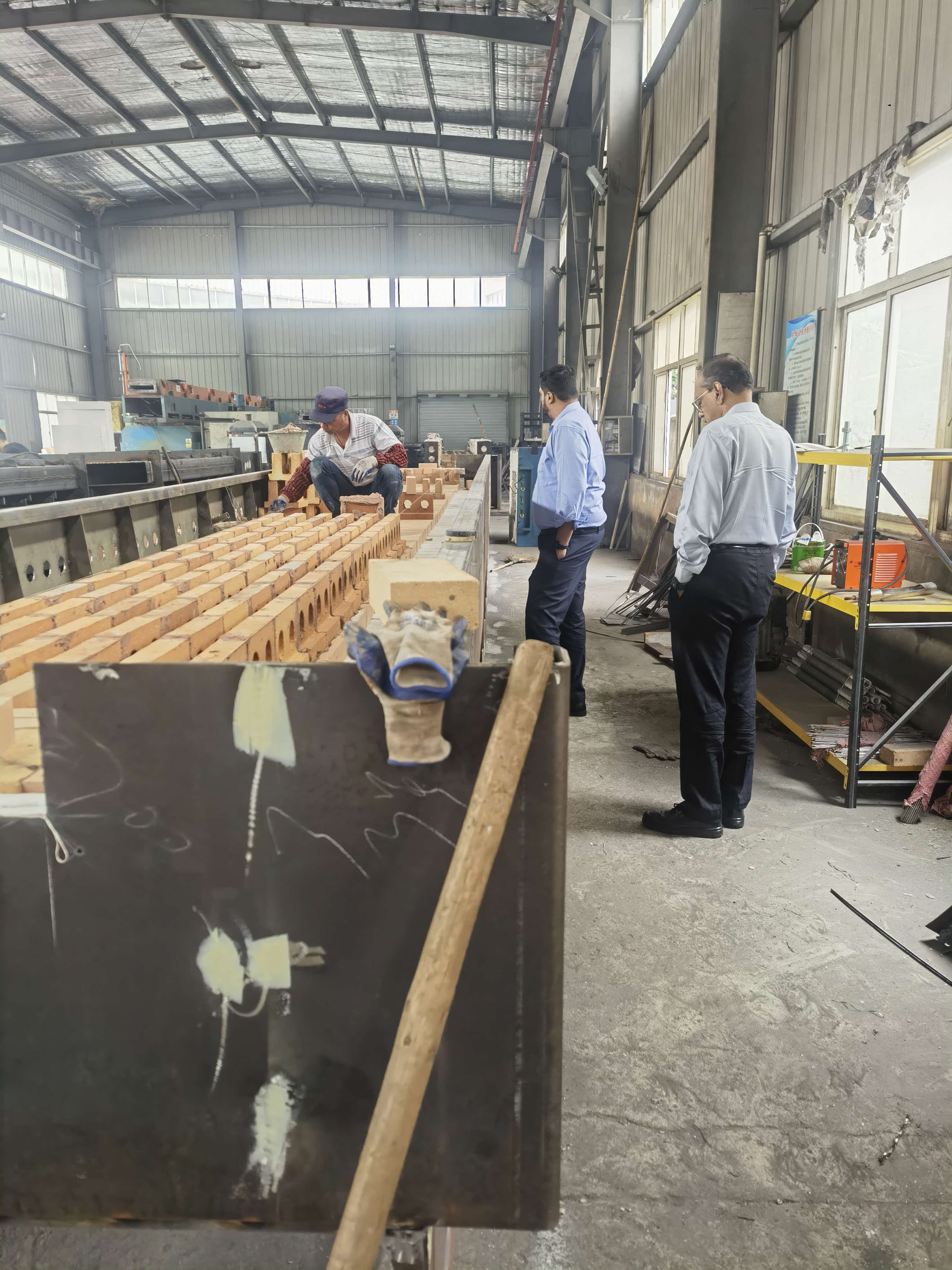
Factory workers inspecting rows of tan rectangular bricks

Installation & Commissioning

  1. Site and services first. We issue a foundation and utility drawing with the order so the pit, access aisles, power drop and gas supply are ready before the sections arrive. Relocating a service after the furnace is set down is the most common reason a start-up slips.
  2. Mechanical assembly and belt tracking. Sections are levelled and coupled, the belt is threaded and tensioned, and tracking is checked cold. A belt that walks at ambient temperature will walk worse when hot, so this is settled before any heat goes in.
  3. Gas train, purge and safety checks. Piping is leak-tested, the purge procedure is walked through with your operators, and the interlocks that protect the atmosphere and the heating elements are proved before the first hot run.
  4. Cold commissioning. Thermocouples are cross-checked against the reference, each zone controller is tuned, the drive is calibrated for belt speed, and alarms are tested one at a time.
  5. Hot commissioning. The furnace is dried out and brought up to temperature in steps, the atmosphere is established and checked, and an empty-belt run confirms that speed, zoning and cooling hold the profile agreed at drawing stage.
  6. First production run and handover. Your parts run through under our engineer's supervision, samples are taken at the points agreed with your quality team, and operators are trained on loading pattern, belt speed and the readings that matter.
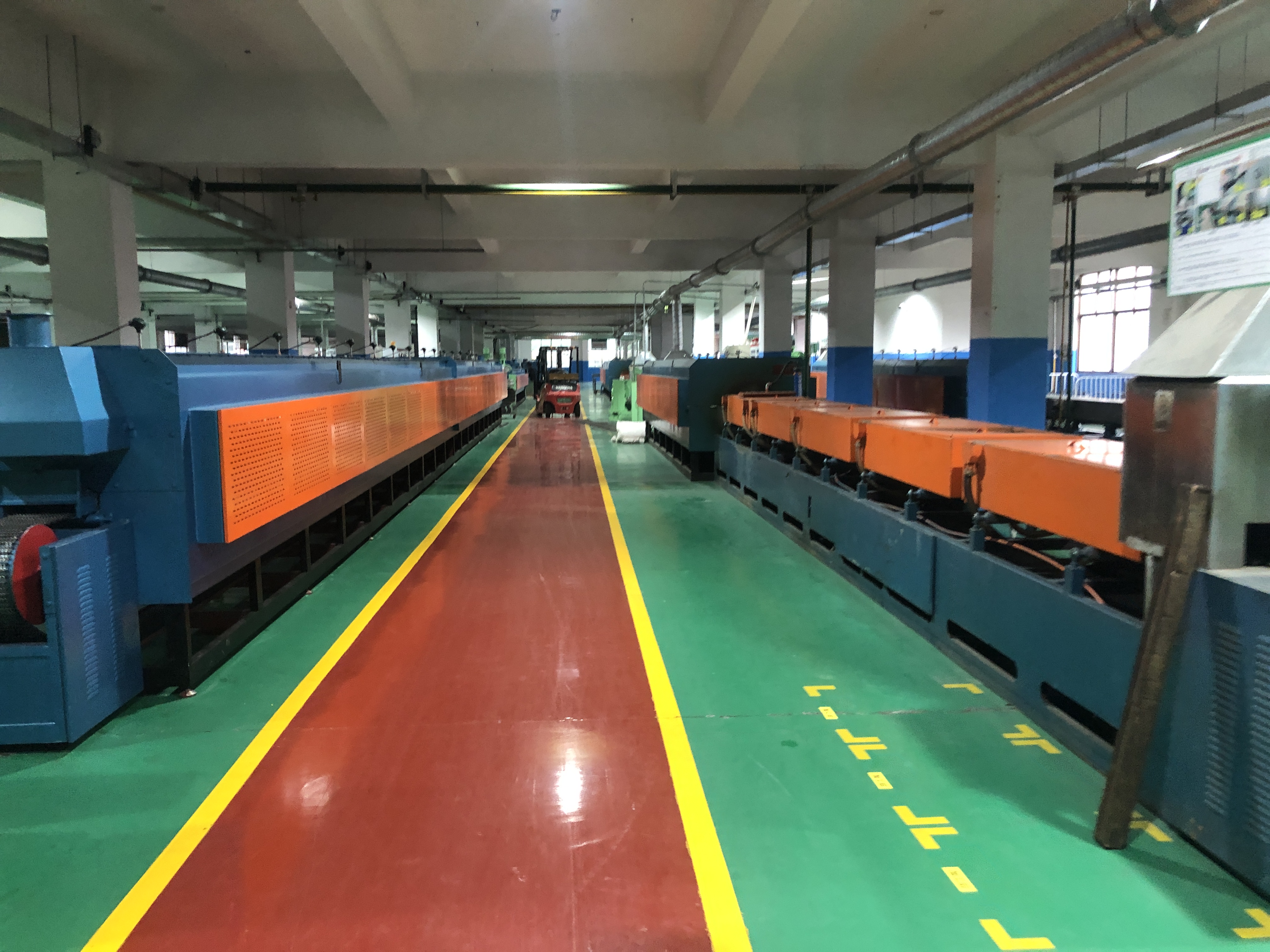
Rows of long industrial furnace machines in a factory

Ordering & Delivery

  • What to send with the enquiry. Part drawings or samples, powder grade, lubricant or binder type, green density target, required output per shift, the atmosphere you plan to run, and your site's power and gas supply. Those details set belt width, zone count and cooling length, and they are what makes one quotation comparable with another. - What gets confirmed at drawing stage. Belt width and loading pattern, zone layout and temperature profile, cooling section length, control philosophy and the safety scope — all approved on drawings before any steel is cut. - Built and tested before shipment. Each line is assembled and run at our Changxing works rather than shipped straight from the drawing board, so start-up faults are found in our shop rather than on your floor. - Packing and transport. Long furnace bodies travel as matched sections, with the belt, control cabinet and gas train packed separately. Sea-worthy packing, marked lifting points and a section-by-section loading plan come with the shipment. - Documents. General arrangement drawings, electrical and piping schematics, the operating manual and the commissioning record travel with the machine, in English. - One engineering team for annealing and sintering. Many of our sintering enquiries begin with an annealing question, and the same engineers answer both. If you are also talking to other bright annealing furnace suppliers, ask for both proposals together so the scope is comparable. - Lead time, payment and warranty. These are set per project and written into the sales contract. Ask your sales contact for the current schedule, payment terms and warranty terms before you fix the installation window. Furnace | Work it handles --- | --- Roller hearth intermediate annealing furnace | Continuous intermediate annealing of carbon steel, alloy steel, stainless steel, aluminium and copper tubes Continuous mesh belt bright annealing furnace | Bright annealing of steel strip, sheet and stamped parts under protective atmosphere, with no pickling afterwards Aluminium alloy quenching furnace | Solution quenching of extruded, rolled and forged aluminium parts with a fast furnace-to-quench transfer Continuous mesh belt tempering furnace | Tempering of fasteners, springs, bearings, gears and chain parts after quenching Continuous quenching and tempering line | Full quench-and-temper treatment of shafts, bolts, fasteners and hydraulic fittings from loading to output Car-bottom furnace | Normalizing, tempering, annealing and stress relief of large castings, forgings and heavy structures Bell-type furnace | Batch annealing and stress relief of long shafts, bars, tubes and heavy castings Double-door box furnace | Periodic normalizing and tempering of castings and large mechanical parts with flexible loading at either end

Technical Support & Model Matching

We build industrial heat treatment furnaces to order, so selection starts with your workpiece, material and output target rather than a catalogue number. Send us your drawings, process aim and site conditions; our engineers will compare the furnace types that fit, set the temperature zoning and handling arrangement around your parts, and confirm the layout with you before production begins. Custom work adjusts chamber dimensions and control configuration, while safety circuits and atmosphere safety components stay as designed. After delivery we remain reachable for start-up questions, fault finding and spare parts.
FAQ

Q1. Which atmosphere should we run — nitrogen, nitrogen-hydrogen or decomposed ammonia?

Nitrogen is the straightforward choice for iron- and copper-based parts where the aim is simply to keep oxygen away from the compact. Adding hydrogen to the mix produces a reducing atmosphere that helps with surface brightness and with oxides that are harder to break down, and decomposed ammonia gives a hydrogen-rich atmosphere for powders that need a stronger reducing condition. The right choice depends on your powder, your lubricant and what your site is equipped to handle safely — tell us those three things and we will propose the gas train to match.

Q2. What happens to the lubricant that burns off in the preheat section?

It leaves the compact as vapour in the debinding section and is carried out of the chamber through the exhaust before the part reaches the sintering zone. That is why the preheat ramp is slow and the exhaust flow is set with care: if vapour reaches the hot zone it cracks and deposits soot or carbon on the part and on the heating elements. Give us the lubricant or binder chemistry and its weight percentage when you enquire, because the debinding length is sized around it.

Q3. Can the belt width and heating zones be matched to our parts?

Yes. Every continuous mesh belt furnace we build starts from the part. Footprint and weight per piece set the belt width and the loading pattern, the sintering curve sets the number and length of the heating zones, and the metallurgy sets the cooling section. Send drawings or samples with your target output per shift and we will propose a layout for your review before anything is committed.

Q4. What is the maximum working temperature?

The standard model runs up to 1150 °C. For powders that need more, a higher-temperature version is built to order. Send the powder grade and the sintering temperature your metallurgist has specified, and we will confirm which version suits the part and the atmosphere you intend to run.

Q5. Do you build a pusher version as well as the mesh belt type?

Both are available. The mesh belt suits smaller parts loaded in a single layer at high rates — bushings, small gears, MIM components — while a pusher arrangement carries heavier or stacked loads and larger compacts where belt loading would become the limit. Either way the part travels through the same protective atmosphere and the same zone control.

Q6. What should we settle before the order is placed?

Four things are worth pinning down at drawing stage: the dew point and residual oxygen targets your process actually needs, the density and mechanical properties you will accept as pass criteria, the loading pattern on the belt, and the gas supply available at your site. Agreeing these early means the acceptance run measures the same things your quality team will measure once the line is in production.